AI in cross-border commerce: from tools to agents that run your marketplaces
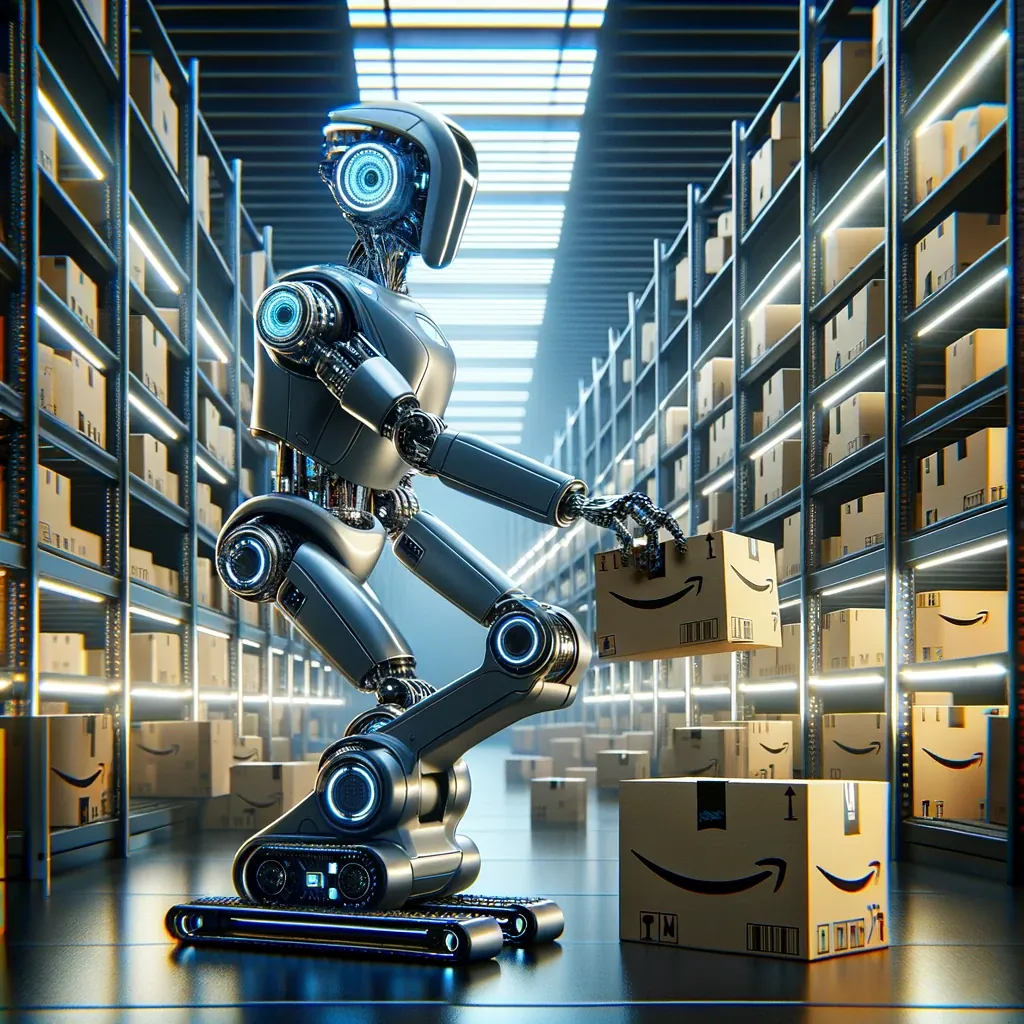
In 2023, we wrote that artificial intelligence was going to transform cross-border e-commerce. At the time, its most visible use was improving copy: on our platform, an "Optimize with AI" button rewrote listings with better keywords in seconds. Today, AI does far more than that. It no longer just helps people work: it runs entire parts of the business.
From tools to AI agents
The difference between an AI tool and an AI agent is autonomy. A tool responds when you ask it to: it writes a title, translates a description, summarizes reviews. An agent is given a goal and works continuously to achieve it: it reviews data, makes decisions within defined rules, takes action and flags when something needs a person's attention.
In cross-border commerce, where a brand may have hundreds of products across several marketplaces and countries, that autonomy changes the scale of what it's possible to operate.
Where does AI come in when selling on international marketplaces?
Catalog and listings
AI creates and optimizes listings to meet each marketplace's requirements, translates and localizes content (selling in English in the United States is not the same as selling in Spanish in Mexico or in Portuguese in Brazil), fills in missing attributes and replicates products from one marketplace to another without starting from scratch.
Advertising
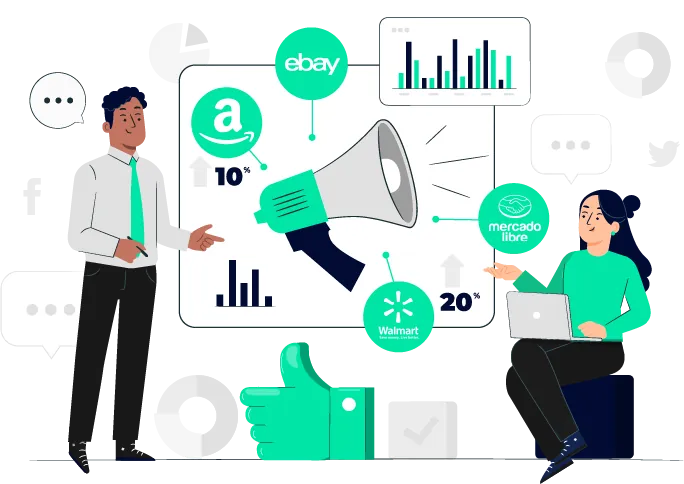
Agents adjust bids and budgets based on profitability, pause keywords that don't convert, discover new search terms and keep an eye on metrics like ACOS and TACOS continuously, not once a week. We explain this in detail in marketing on global marketplaces.
Pricing and inventory
AI monitors competitors, adjusts prices within defined margins and forecasts demand to plan restocking. In international trade this is critical: a shipment to another country can take weeks, and running out of stock means losing ranking.
Customer service
Answering shoppers' questions in their language and on their schedule, at any hour, is no longer a barrier to selling in another country.
Analysis and decision-making
Selling online generates a huge amount of data. AI consolidates it and turns it into concrete recommendations: which products to push, which market to open next, where margin is being lost.
Shoppers are using AI too
The other half of the shift is on the shopper's side. Assistants like Rufus on Amazon, ChatGPT, Perplexity and Google's AI Mode help people decide what to buy. For a product to be recommended, its information has to be complete, clear and trustworthy: well-populated attributes, explicit benefits and genuine reviews. Optimizing your catalog for these assistants is now as important as traditional SEO.
AI plus people: the model that works
AI doesn't replace business judgment. Choosing markets, negotiating with suppliers, building a brand or resolving a complex issue with a marketplace still requires experienced people. What changes is where they spend their time: fewer repetitive tasks and more strategy.
That's how we work at LAP Global: AI agents that operate 24/7 on listings, advertising, pricing and inventory, alongside Key Account Managers with experience in each market and a centralized dashboard with real-time information. With that combination, our clients start selling in new markets in an average of 45 days.
Want to see how it could work for your brand? Learn how LAP works or contact us.